
To be a successful academic writer, focus is crucial. While this may seem obvious, it took me years to fully grasp its significance. This blog is the first in a series discussing strategies for improving focus in academic writing. Here, I explore the impact of our physical environment on writing productivity and provide practical suggestions to try.
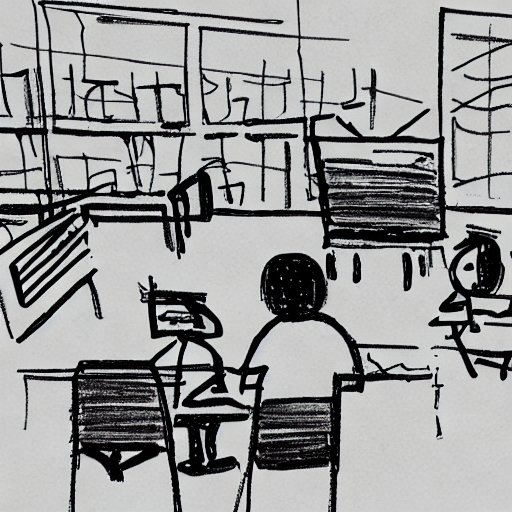
In recent years, UK universities have been engaged in building projects, revamping old structures, and constructing new ones. These buildings often showcase glass, metal, and extensive open-plan workspaces. Although open-plan offices are designed to promote collaboration and communication, mounting evidence suggests that they actually diminish productivity and morale across various industries.
As a dyslexic academic, an open-plan environment posed immense challenges for me. Sharing a space with others led to an abundance of distractions, exacerbating the difficulty of concentration. The noise from phone calls, meetings, and even simple breathing hindered my focus. After returning to work from my second maternity leave, I discovered that my desk in a small shared office had been reassigned.
I was relocated to an open-plan building adjacent to the kitchen. While the space was flooded with natural light, it had a severe impact on my academic writing productivity, which, in turn, affected my mental health. I attempted to drown out the sounds of the microwave and co-worker conversations with headphones, but nothing could mask the constant smells and foot traffic.
Having been diagnosed with dyslexia at the age of 7, I have always struggled with sitting and focusing. I mostly relied on my own coping mechanisms and remained silent about my difficulties. However, my experience in the open-plan office compelled me to request accommodation. Despite initial hesitation from my line manager, I persisted, and my request was eventually granted. Returning to an office with walls significantly improved both my writing productivity and mental well-being. I understand that not everyone can request an alternative desk, and advocating for such changes can be stressful. However, if you have a disability, it is worthwhile to raise the issue with HR or your line manager.
Creating a dedicated writing space that is comfortable and well-organised can greatly enhance focus and creativity. After years of trial and error, I discovered that I am most productive at 6 am, sitting at my desk at home with a cup of coffee, and I fiercely guard this time. But it took me years to uncover this routine.
If you are struggling with your writing, gaining a better understanding of what works for you can be tremendously helpful. The key to focused writing is shorter, concentrated writing periods rather than longer, more distracted ones. Set aside one hour to experiment, tracking your progress in each session. Take note of how the working environment makes you feel, and establish quantifiable goals such as the number of words written or pages edited.
Here are some strategies to consider:
- Get out of the office: Find an alternative workspace, such as a university or public library, a café, or a meeting room—anywhere you can have control over your surroundings and minimise interruptions.
- Utilise different spaces at home: If space permits, try sitting in different rooms at different times of the day. If you have a home desk, make it as inviting as possible. Keep your desk clear and use a monitor, keyboard, and mouse to ensure writing comfort. Consider setting an early alarm to get up and start your writing session at your desk.
- In the office: If feasible, experiment with your working hours. Arrive early or stay later (while ensuring you take breaks and adjust accordingly—this doesn’t mean advocating for longer days) when foot traffic is lower. Try using noise-cancelling headphones and curate a playlist of familiar music that doesn’t distract you. While I’ve never enjoyed the sensation of wearing headphones, I can tolerate it for one hour. Remember to communicate to your co-workers that you are working on an important task and cannot be disturbed.
By implementing these strategies and creating a conducive physical environment, you can enhance your focus, productivity, and overall writing experience.

