
About an hour after my son was born, he developed breathing difficulties. He was my first child and the labour like many first labours was long and exhausting. Meeting my child for the first time, and then having him taken away by the doctors has always stayed with me. My son recovered after a stint in the neonatal intensive care unit. Memories of his difficult start came back to me often during weekly debriefing sessions for an ethnographic study we have now completed and published in Wellcome Open. The study was exploring the implementation of infection prevention and control (IPC) policies in a neonatal intensive care unit in Blantyre. The department has seen frequent outbreaks of neonatal sepsis associated with drug-resistant Klebsiella pneumoniae.
Emotions and Ethnographic fieldwork
Helen Mangochi lead the fieldwork and drew on her 28 years of nursing and midwifery work in Malawi to undertake participant observation.
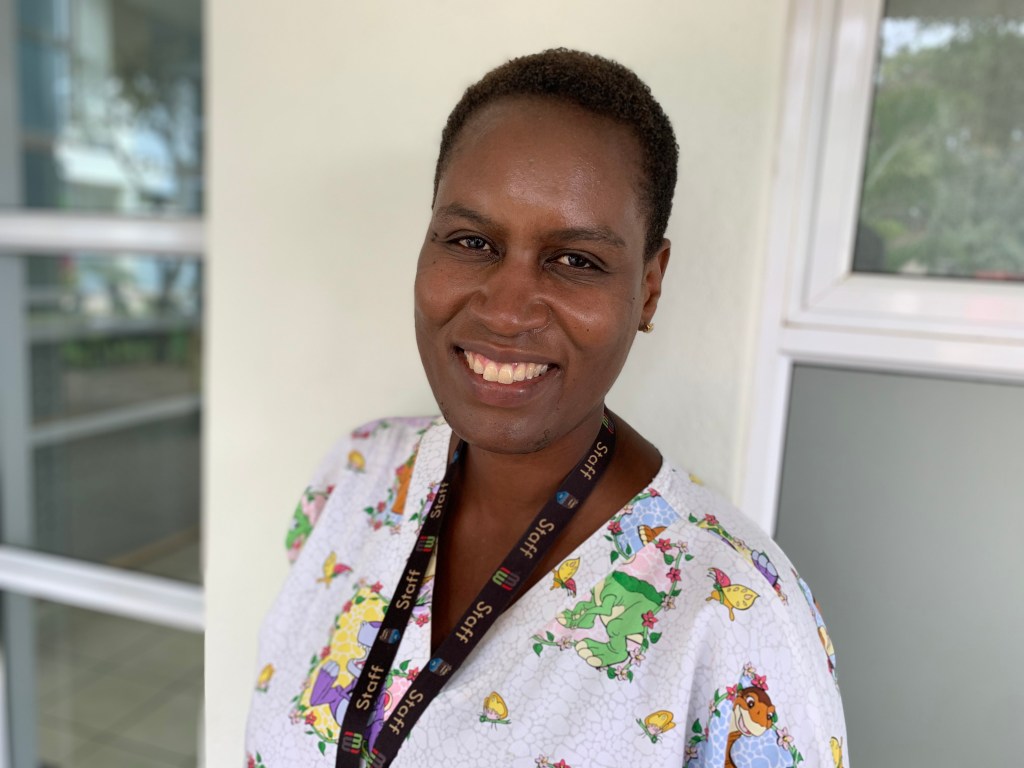
She provided care and captured the lived experiences of mothers, caregivers (the women who provide critical care to babies on the unit), and front-line workers (including clinical and auxiliary staff). Together we analysed the data meeting weekly to reflect on the findings, identify any new avenues for research inquiry and discuss any ethical dilemmas Helen faced. In an incredibly resource-limited context, Helen captured many heartbreaking stories, speaking of the powerlessness she sometimes felt when trying to provide care. I found it hard not to relate my own story to the many hardships these mothers faced navigating a health system typified by extreme scarcity. We both shed many tears during the debriefings speaking to the emotional labour conducting research can have.
IPC on the ward
Our findings showed that while both caregivers and staff had a good understanding of ideal infection prevention and control (IPC) practices they faced challenges implementing policies and procedures. For health workers overwhelming workloads, staff shortages and a lack of material resources including intermittent access to water. For caregivers the lack of basic resources, including insufficient chairs and lack of access to clean linen were barriers. Power dynamics shaped who had access to the material resources including the washing basins with caregivers often told to use ones outside the ward.
Implications for policy
Drug resistant infections are increasing rapidly across the world. The structural and material conditions of low-income countries mean that the ramifications will be more acutely felt in these settings. Our work speaks to the critical need to provide improved WASH infrastructure, address staff shortages and cocreate solutions that meet the hygiene and IPC challenges that staff and caregivers’ encounter.
A qualitative study exploring health workers and patient caregivers’ hand hygiene practices in a neonatal unit in Blantyre, Malawi, implications for controlling outbreaks of drug resistant infections. Published on Wellcome Open


