
I have a new paper published in PLOS Global Public Health exploring antibiotic use in homes in Chikwawa Malawi. It was part of the FIEBRE study a multi-disciplinary study working in five countries in Africa and Asia exploring fever and antimicrobial use.
Drug-resistant infections are increasing globally and urgent action is required to preserve current antibiotic classes. Antibiotic use in low-and-middle-income countries has gained international attention due in part to the number of medicines accessed informally. Public awareness campaigns have gained popularity, often conceptualising antimicrobial resistance as a problem of excess, precipitated by irrational behaviour. Insufficient attention has been paid to people’s experiences of accessing medicines in low-income contexts. Our ethnographic study was based in the Chikwawa District, Malawi, a place of extreme scarcity, and aimed to understand the care and medicine use practices of households dependent on subsistence farming. In Chikwawa, extreme weather events are becoming more frequent including excessive heat and catastrophic flooding. Creating significant damage to homes and crops. Making everyday life more precarious.
Key findings
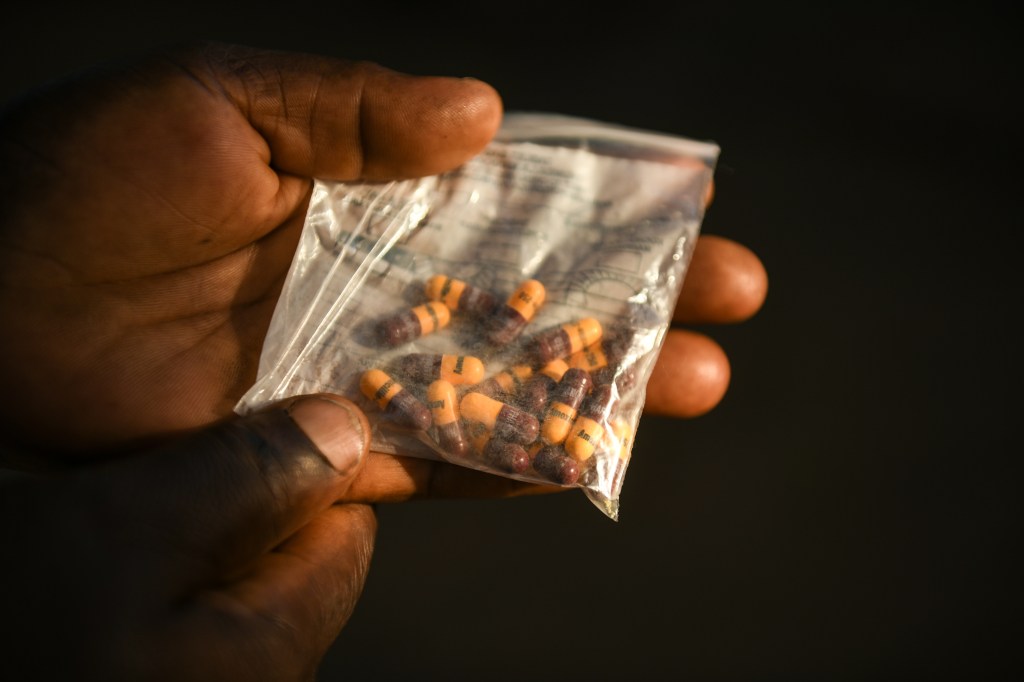
We found the most frequently used antibiotics were cotrimoxazole and amoxicillin. Both antibiotics are on the access list according to the WHO AWaRe Classification, which means they should be easily accessible to patients when clinically needed. Participants spoke of the need to visit formal health systems for care and medicines. Recognizing to keep, share & buy medicines informally was not the “right thing” reflecting normative messages communicated by global health and development initiatives. Our ethnographic findings showed how incompatible these messages were for many residents and it was commonplace for residents to seek medicines informally. Often shaped by economic position of the household with free health care more costly than buying medicines. For women in particular helping neighbours through sharing drugs was an important part of broader social relations that included sharing and reciprocity. In this context of scarcity, the notion that antibiotics could be taken as unthinkingly as sweets challenges the prevailing discourse that antibiotics overused everywhere.
Policy Implications
Our findings suggest in contexts of extreme scarcity policy actors need to be equipped with interventions to address AMR through strengthening health systems. Considering carefully the suitability of awareness campaigns that foreground antibiotic overuse. If antibiotic awareness campaigns are used the messaging needs to be tied into broader economic development to ensure that basic needs are met and that communities have basic levels of security to cope with future illness and economic shocks.


