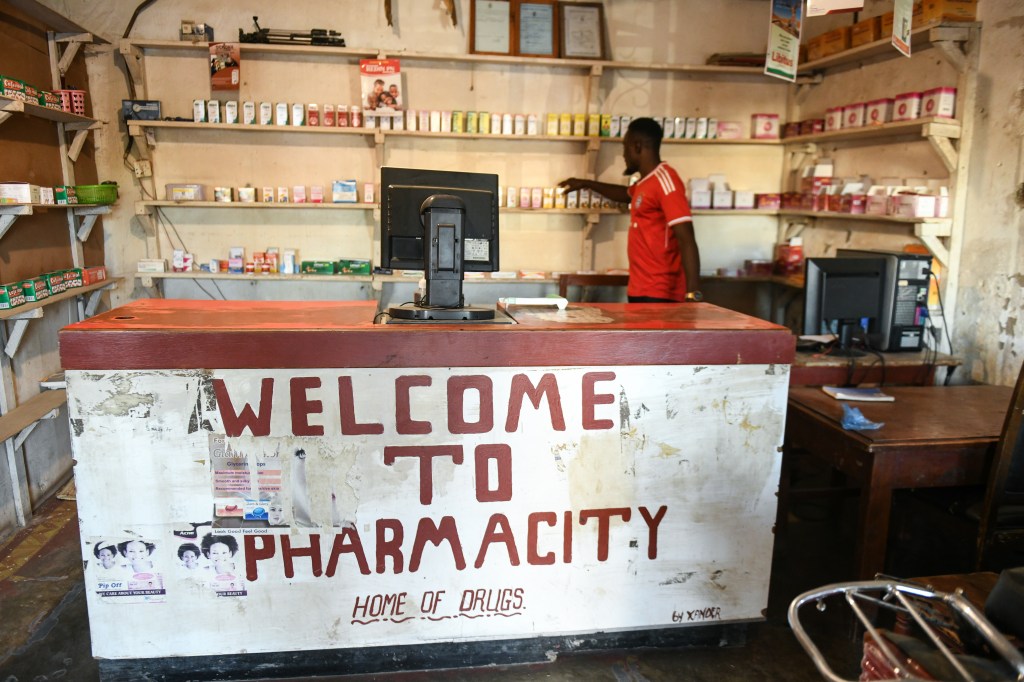
Increases in drug-resistant infections have been blamed on “uncontrolled access” to antibiotics. But, what antibiotics do community members recognise and use in Malawi? In this pre-print, myself and researchers from the Malawi-Liverpool-Wellcome Research Programme, Liverpool School of Tropical Medicine and London School of Hygiene and Tropical Medicine, present findings from a cross-sectional survey on antibiotic use practices in Malawi.
In Malawi, there is no Chichewa word for an antibiotic as a group and this poses a significant challenge for asking survey questions, particularly when trying to measure the different types of antibiotics used. During our earlier ethnographic studies, we worked with partners to develop the drug-bag method. Sourcing as many antibiotics from formal and informal sources and placing the drugs in a pile allowed participants to identify which medicines they regularly used.
In this study, we used this method to ask about household use, including current and recent (the past 6 months). The number of antibiotics recognised was significantly lower among people with poorer formal healthcare access and amongst men, who are less likely to support healthcare-seeking for family members. Reported antibiotic use was mostly limited to a small number of antibiotics (amoxicillin, erythromycin and cotrimoxazole), with current antibiotic use reported by 67/1051 (6.4%) and recent use (last 6 months) by 440/1051 (41.9%). Our study seeks to the need for improved access to quality healthcare in urban and peri-urban African settings to promote appropriate antibiotic use and limit the development and spread of AMR