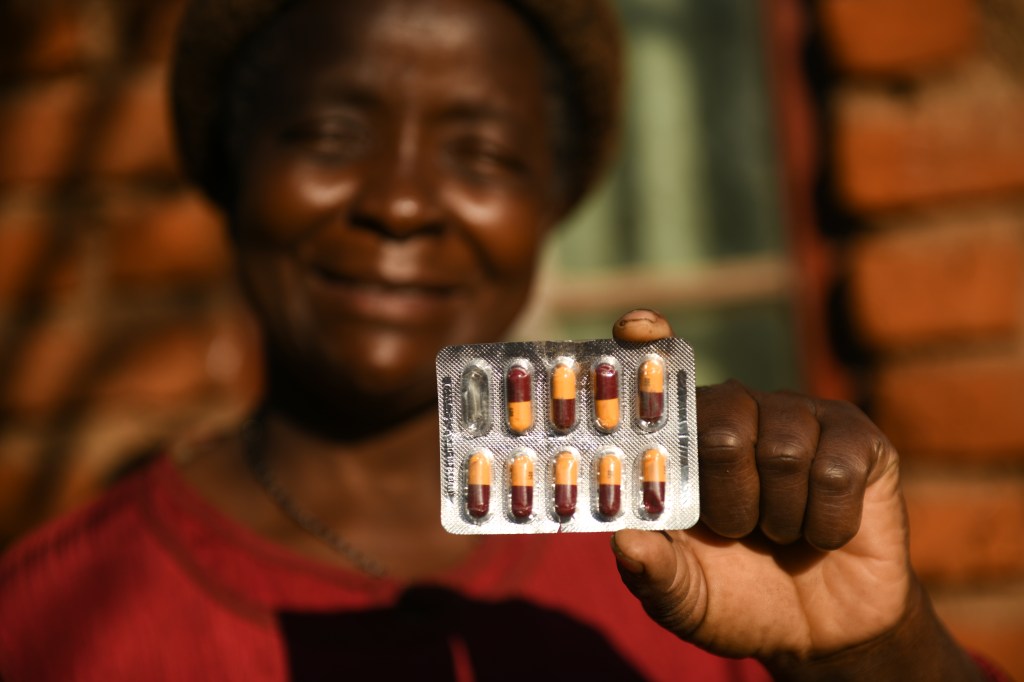
Research

Quantifying antibiotic use in urban and peri-urban Malawi

Increases in drug-resistant infections have been blamed on “uncontrolled access” to antibiotics. But, what antibiotics do community members recognise and use in Malawi? In this pre-print, myself and researchers from the Malawi-Liverpool-Wellcome Research Programme, Liverpool School of Tropical Medicine and London School of Hygiene and Tropical Medicine, present findings from a cross-sectional survey on antibiotic use practices in Malawi.

In Malawi, there is no Chichewa word for an antibiotic as a group and this poses a significant challenge for asking survey questions, particularly when trying to measure the different types of antibiotics used. During our earlier ethnographic studies, we worked with partners to develop the drug-bag method. Sourcing as many antibiotics from formal and informal sources and placing the drugs in a pile allowed participants to identify which medicines they regularly used.

In this study, we used this method to ask about household use, including current and recent (the past 6 months). The number of antibiotics recognised was significantly lower among people with poorer formal healthcare access and amongst men, who are less likely to support healthcare-seeking for family members. Reported antibiotic use was mostly limited to a small number of antibiotics (amoxicillin, erythromycin and cotrimoxazole), with current antibiotic use reported by 67/1051 (6.4%) and recent use (last 6 months) by 440/1051 (41.9%). Our study seeks to the need for improved access to quality healthcare in urban and peri-urban African settings to promote appropriate antibiotic use and limit the development and spread of AMR
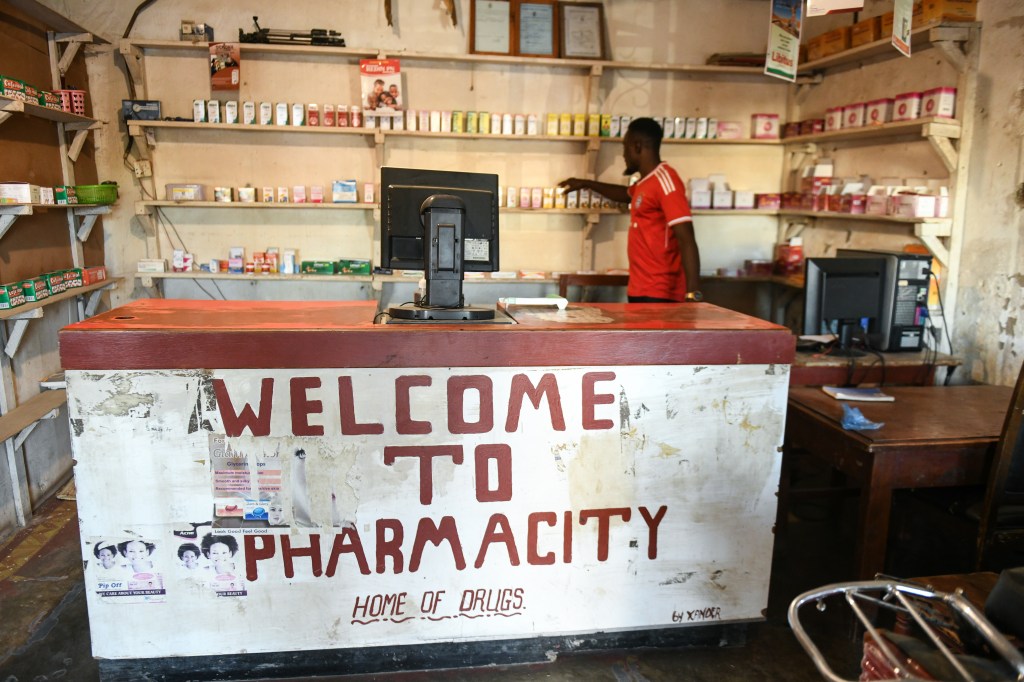
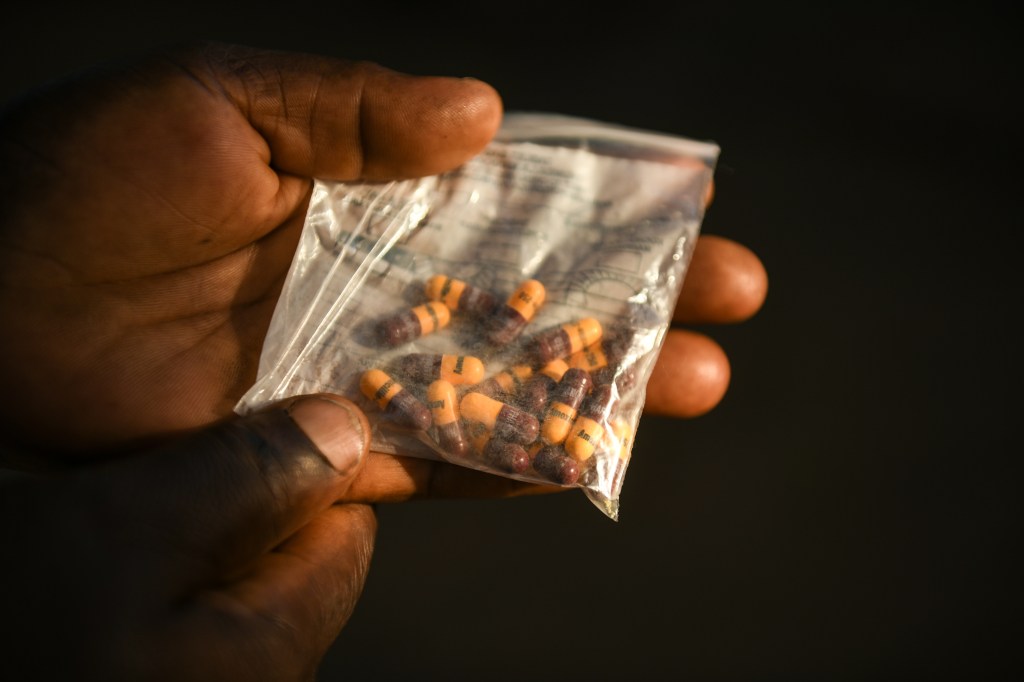
Ndirande, Malawi: Thoko Chikondi
Research

Antibiotic use practices in homes in rural Malawi

I have a new paper published in PLOS Global Public Health exploring antibiotic use in homes in Chikwawa Malawi. It was part of the FIEBRE study a multi-disciplinary study working in five countries in Africa and Asia exploring fever and antimicrobial use.

Photo credit: Thoko Chikondi

 Drug-resistant infections are increasing globally and urgent action is required to preserve current antibiotic classes. Antibiotic use in low-and-middle-income countries has gained international attention due in part to the number of medicines accessed informally. Public awareness campaigns have gained popularity, often conceptualising antimicrobial resistance as a problem of excess, precipitated by irrational behaviour. Insufficient attention has been paid to people’s experiences of accessing medicines in low-income contexts. Our ethnographic study was based in the Chikwawa District, Malawi, a place of extreme scarcity, and aimed to understand the care and medicine use practices of households dependent on subsistence farming. In Chikwawa, extreme weather events are becoming more frequent including excessive heat and catastrophic flooding. Creating significant damage to homes and crops. Making everyday life more precarious.

Key findings
We found the most frequently used antibiotics were cotrimoxazole and amoxicillin. Both antibiotics are on the access list according to the WHO AWaRe Classification, which means they should be easily accessible to patients when clinically needed. Participants spoke of the need to visit formal health systems for care and medicines. Recognizing to keep, share & buy medicines informally was not the “right thing” reflecting normative messages communicated by global health and development initiatives. Our ethnographic findings showed how incompatible these messages were for many residents and it was commonplace for residents to seek medicines informally. Often shaped by economic position of the household with free health care more costly than buying medicines. For women in particular helping neighbours through sharing drugs was an important part of broader social relations that included sharing and reciprocity.  In this context of scarcity, the notion that antibiotics could be taken as unthinkingly as sweets challenges the prevailing discourse that antibiotics overused everywhere.

Policy Implications
Our findings suggest in contexts of extreme scarcity policy actors need to be equipped with interventions to address AMR through strengthening health systems. Considering carefully the suitability of awareness campaigns that foreground antibiotic overuse. If antibiotic awareness campaigns are used the messaging needs to be tied into broader economic development to ensure that basic needs are met and that communities have basic levels of security to cope with future illness and economic shocks.

Research

Antibiotic vulnerabilities in primary health care in rural Malawi

Globally, antimicrobial resistance has often been framed as either a problem of access or excess, with stewardship interventions and overall reductions the dominant intervention to ‘rationalise’ use. Insufficient attention has been paid to care relations beyond the binary of ‘too many’ or ‘too few’ – particularly in low-income contexts – and how these relations shape, and are shaped by, antibiotic prescribing. Addressing this gap, our ethnographic work provides an in-depth examination of the practices that comprise care in rural Chikwawa. In this context, we found that care was centred around provision of an antimicrobial. Amid chronic lack of essential medicines and other resources, clinic interactions were tightly scripted, providing patients little time to question or negotiate their treatment. Based on our empirical work we developed the concept of ‘antibiotic vulnerabilities’ to reveal multiple ways in which provision of antimicrobials in rural Malawi impacts care in conditions of extreme scarcity.

Chileka, Malawi Photo credit: Thoko Chikwondi

Implications of our work
Ensuring a stable drug supply is vital, but must be accompanied by wider changes that enable quality care to be performed and received beyond antibiotic-oriented case management. We propose programmes be designed not only to protect vulnerable antibiotics, and patients vulnerable to antibiotic resistance but also to protect patients from systems that have come to be organised around antibiotics which leave patients with insufficient care.